ARC Design System:
Scaling Design as a Strategic Capability

Context & Challenge
| “Design was moving fast. But not together.”
When I joined Bark, our product teams were scaling quickly — but our interfaces weren’t.
Inconsistencies across design files, codebases, and experiences were slowing delivery and diluting the brand. Each team was solving the same design problems in isolation.
I reframed the issue: this wasn’t a design inconsistency problem — it was a systems scaling problem. To support Bark’s growth, design needed to evolve from executional craft to a strategic capability.
Key challenge statements:
Fragmented design language across teams
Repeated component creation → high design/engineering overhead
No shared accessibility or interaction standards
Product velocity suffering from lack of alignment
Strategic Vision
| “We didn’t need a new library. We needed a new language.”
The vision for ARC — Adaptive, Reusable, Connected — was born from a simple idea: Design should scale as seamlessly as our business.
ARC was positioned not as a design side project, but as a strategic infrastructure layer:
Adaptive: flexible enough to serve multiple products and contexts.
Reusable: driving efficiency by design.
Connected: bridging design, development, and brand.
I pitched ARC to executive leadership as Design-as-Leverage — a way to multiply impact across every product line.
| “ARC wasn’t a design deliverable. It was a product that powered every other product.”
Foundations for Scale
| “Before we could build the system, we had to understand the chaos.”
We began with a full UI audit — a confronting but powerful artifact.
It quantified the design debt across Bark’s ecosystem and made the invisible visible.
That data informed our three foundational pillars:
Principles — Accessible by default. Branded through restraint. Designed to scale.
People — Cross-functional pairing between design, front-end, and accessibility.
Patterns — Prioritized high-traffic UI first to maximize early impact.
Tooling alignment:
Figma for design → Storybook for engineering → ARC Docs for governance.
Design Principles
Creative Safety
Guide Customers to be Successful
Increase Trust and Confidenc
Iterative Validation
Strive for Better Usability
Building ARC
| “We built ARC in layers — foundations, components, and experiences.”
We structured delivery into three coordinated tracks:
Foundations – Tokens, color, type, grid, spacing.
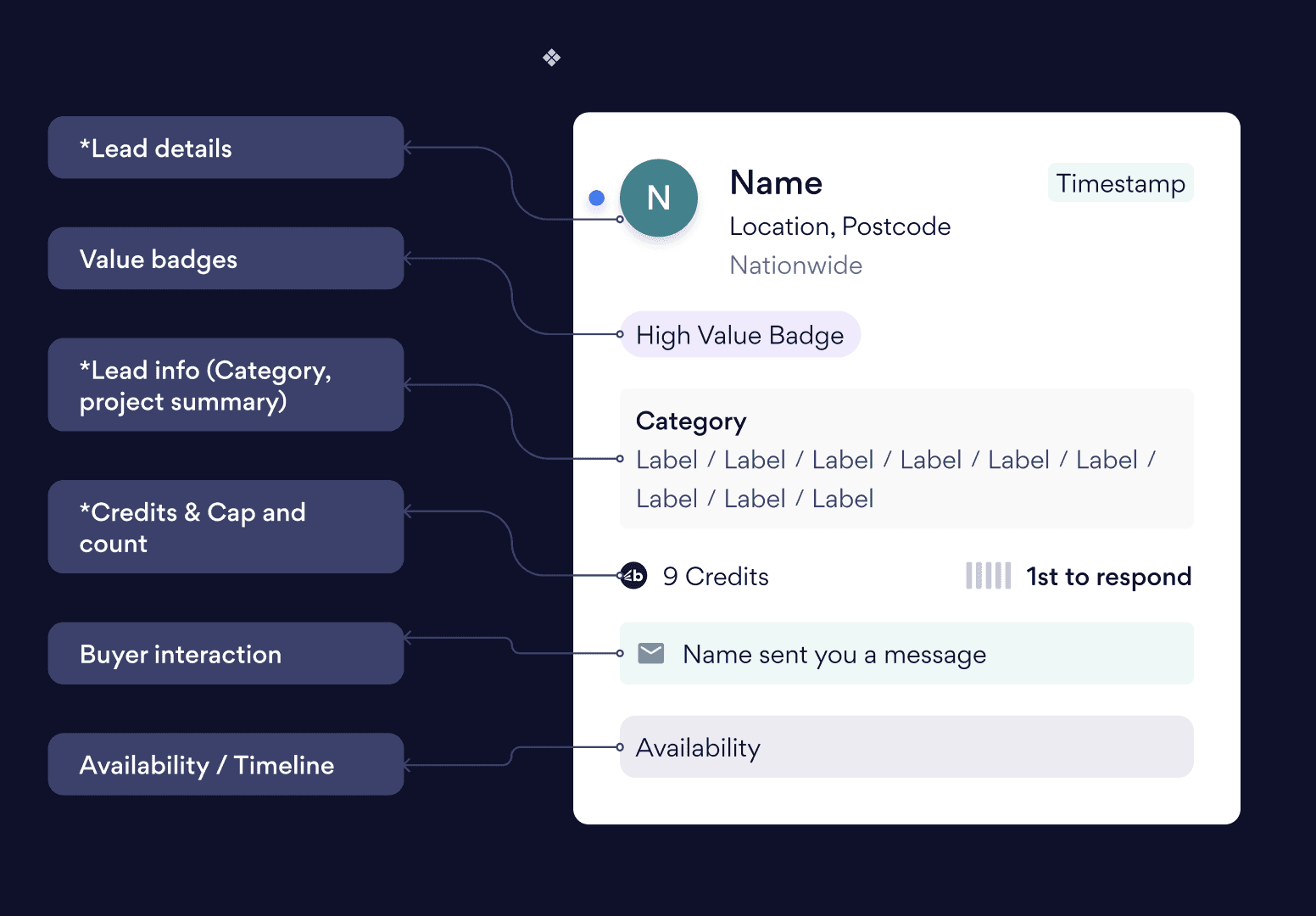
Core Components – Buttons, modals, tables, navigation.
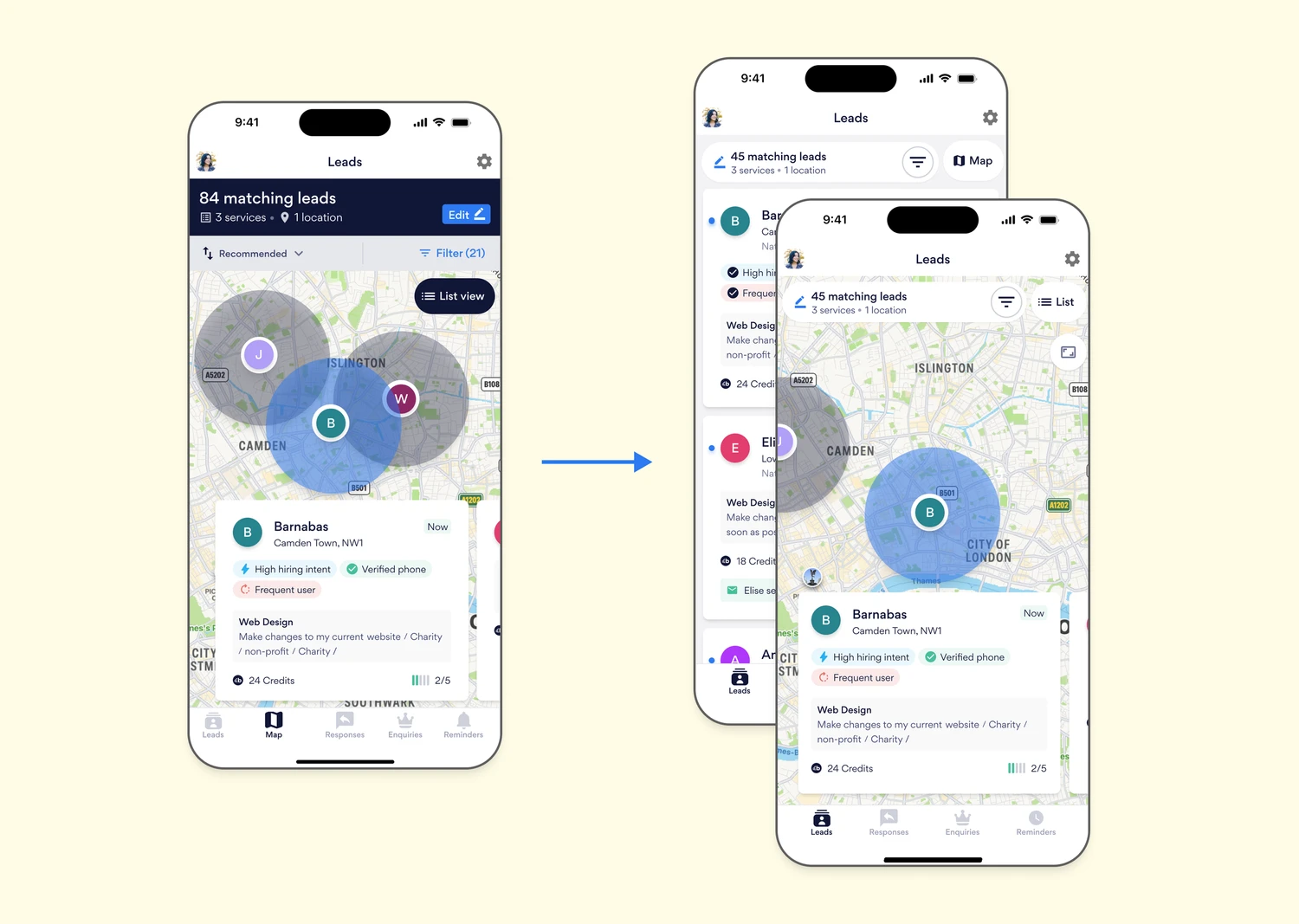
Experience Patterns – Search, onboarding, and messaging flows.
Each track was led by a Design + Engineering duo using the “two-in-a-box” model — ensuring both craft and scalability.
To drive transparency, we created a component lifecycle — proposal → review → adoption — that scaled contribution while maintaining quality.
Operationalizing DesignOps
| “A design system without operations is just a library.”
Once ARC reached maturity, the focus shifted to governance, adoption, and sustainability.
We formalized a DesignOps framework to operationalize ARC across Bark’s org structure.
Key enablers:
ARC Guild: cross-functional council managing standards and roadmap.
ARC Docs: central hub for tokens, code, and rationale.
Office Hours: weekly sessions for support and collaboration.
Contribution Model: clear pathways for teams to suggest or extend components.
By building community ownership, adoption became organic — not enforced.
Within six months, 80% of new product UIs were built using ARC components.
Measurable Impact
| “ARC paid for itself — in time, quality, and trust.”
We tracked success across three executive dimensions:
Efficiency
~40% faster UI delivery across design + engineering cycles
Significant reduction in QA bugs and redundant builds
[Review: confirm metrics or validated proxy]
Consistency
60% reduction in duplicated components
Unified brand experience across web and app touchpoints
Culture
DesignOps rituals embedded into team cadence
System referenced in product planning and OKRs
| “ARC wasn’t a design artefact. It became the way we designed.”
Reflection and Evolution
| “ARC started as a design system. It became a shared language.”
ARC’s greatest success wasn’t technical — it was cultural.
It reframed design’s role from output to infrastructure.
If I were to start again, I’d:
Embed measurable ROI frameworks earlier.
Invest in storytelling rituals for broader org understanding.
Allocate dedicated DesignOps roles from day one.
ARC continues to evolve as Bark’s foundation for design quality, accessibility, and innovation.
Other Projects...