In-Product App Discovery
Putting discovery in the flow of doing.

Overview
The In-Product Integration Discovery initiative transformed how QuickBooks users find and connect third-party apps by embedding intelligent, trusted discovery moments directly inside their workflow.
As the Lead Product Designer, my mission was to uncover why—and reimagine how users could discover and connect these integrations seamlessly inside the product. What began as a design challenge soon evolved into a broader question of trust, timing, and value communication.
Challenge: The Problem of Unawareness and Trust
| "If we meet users in their moment of need, we can raise
engagement and trust."
QuickBooks supports millions of small business owners—people who wear every hat, every day.
Yet data showed that fewer than 10% connected even a single app, despite clear benefits like time savings and automation.
The issue wasn’t resistance; it was **unawareness and uncertainty**. Users didn’t see how apps could help, and when they did, many hesitated—worried about security or legitimacy.
My working hypothesis was simple:
> *If we meet users in their moment of need, offering credible, contextual app suggestions without disrupting their flow, we can raise engagement and trust.*
This became our north star and aligned directly with translating ambiguous business problems into an actionable, user-centred opportunity.
Empathize & Define
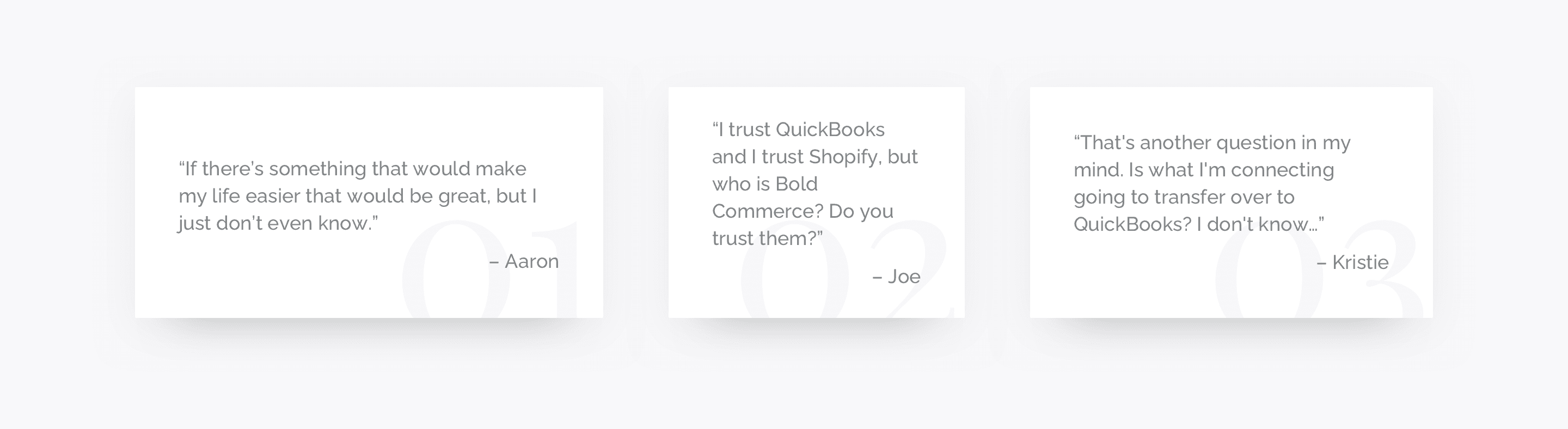
To test assumptions, I led **over 20 customer interviews** across small business owners, accountants, and bookkeepers.
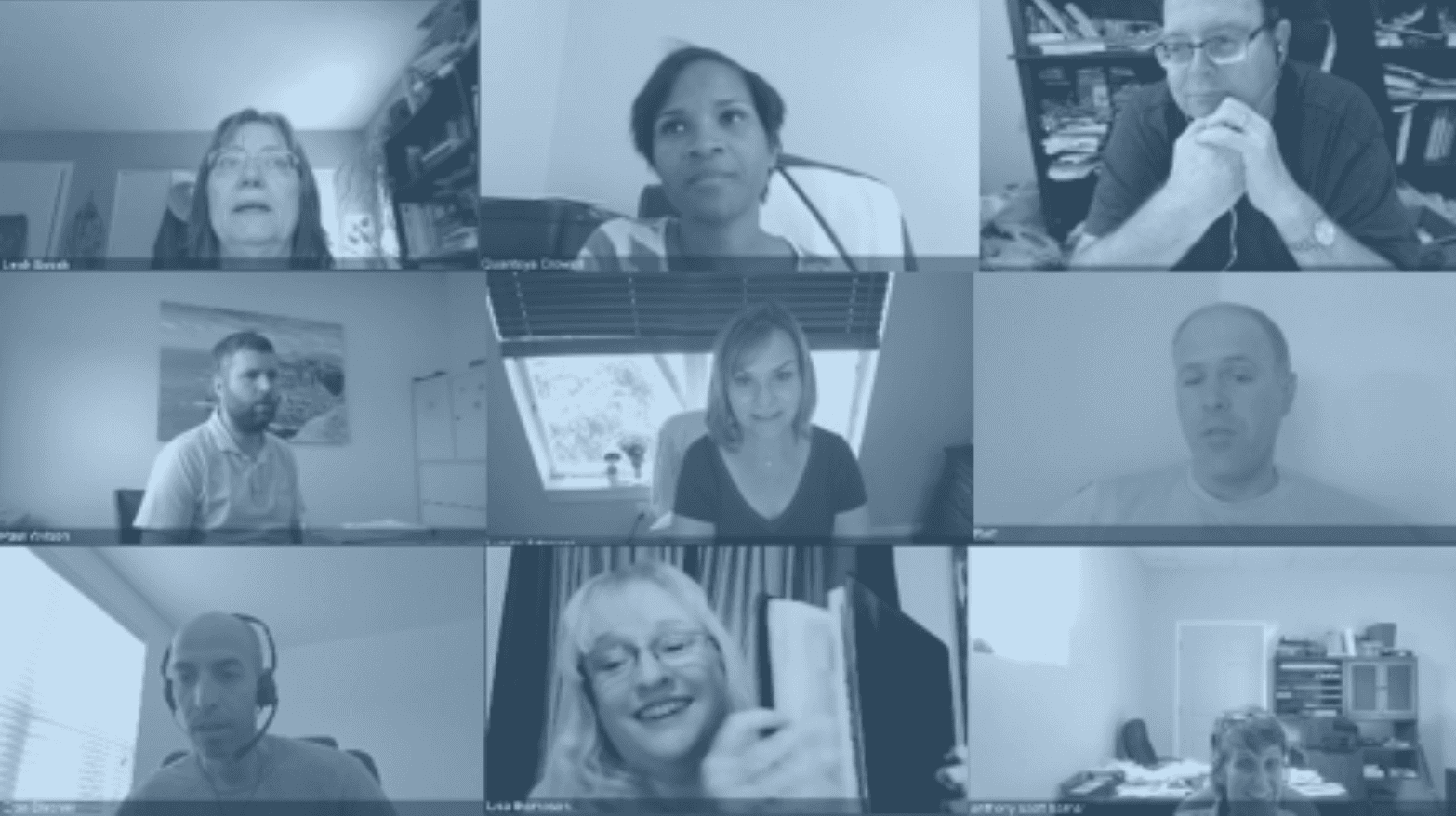
The conversations were humbling.
Many participants admitted they had “no idea” what an “app” meant in QuickBooks. Some assumed apps were risky third-party tools. A few even mistook integrations as hidden fees.
Our research surfaced three consistent friction points:
Cognitive confusion: Terminology like “apps” and “integrations” felt abstract.
Trust barrier: Unclear ownership blurred lines between Intuit and partners.
Workflow disruption: Discovering integrations required breaking focus and context.
These insights reframed our problem. It wasn’t just about educating users—it was about embedding helpfulness where intent naturally occurred.
Ideation & Design Sprint
| “We designed a system, not a site.”
To move from insights to solutions, I organised and facilitated a cross-functional five-day Design Sprint.
Our group included PMs, data scientists, and engineers from Live and Mobile teams—a diverse mix of perspectives that proved critical.
We mapped the user journey, identified key drop-off moments, and brainstormed ways to meet users with relevant app suggestions *in the flow of work*.
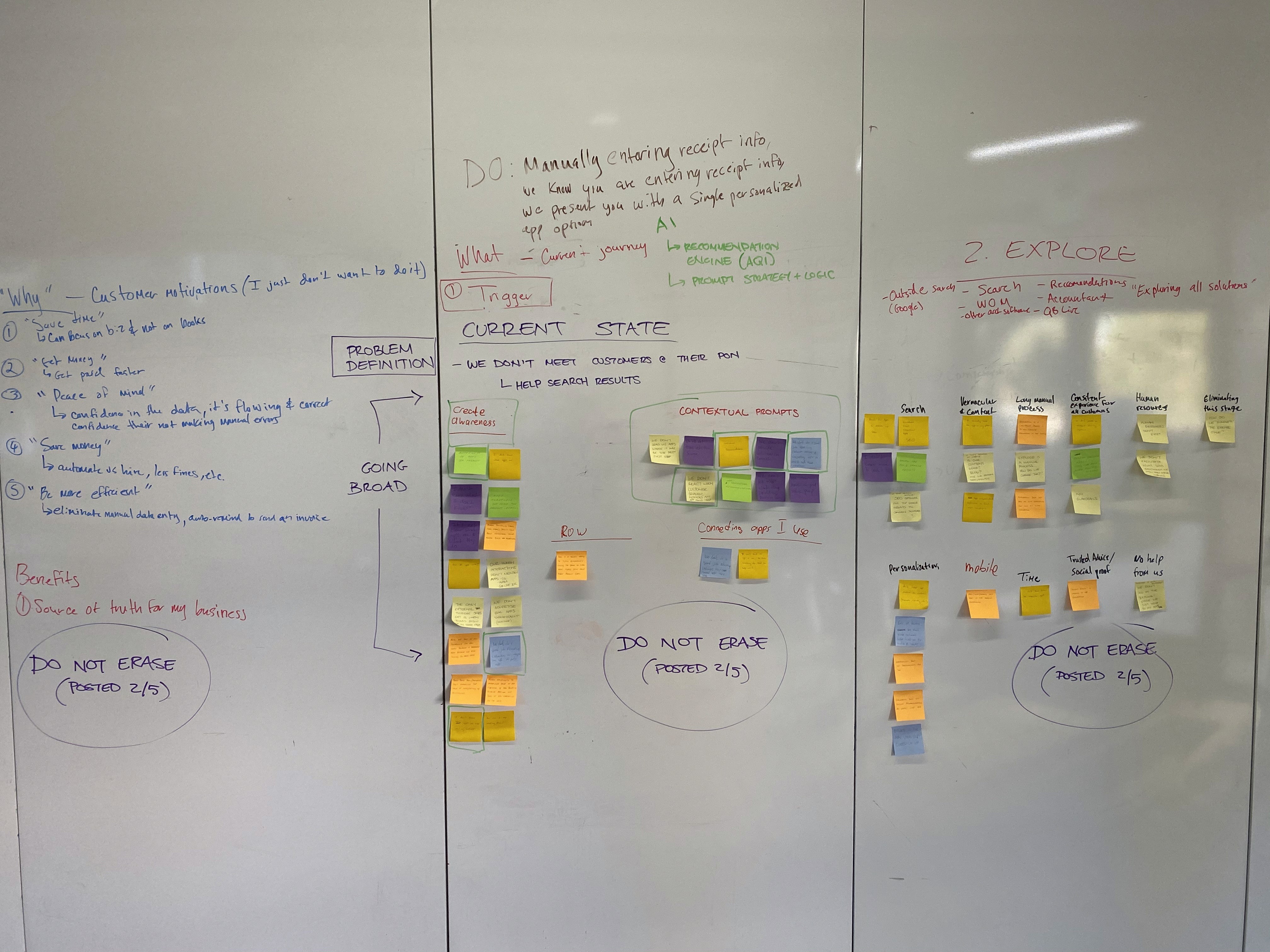
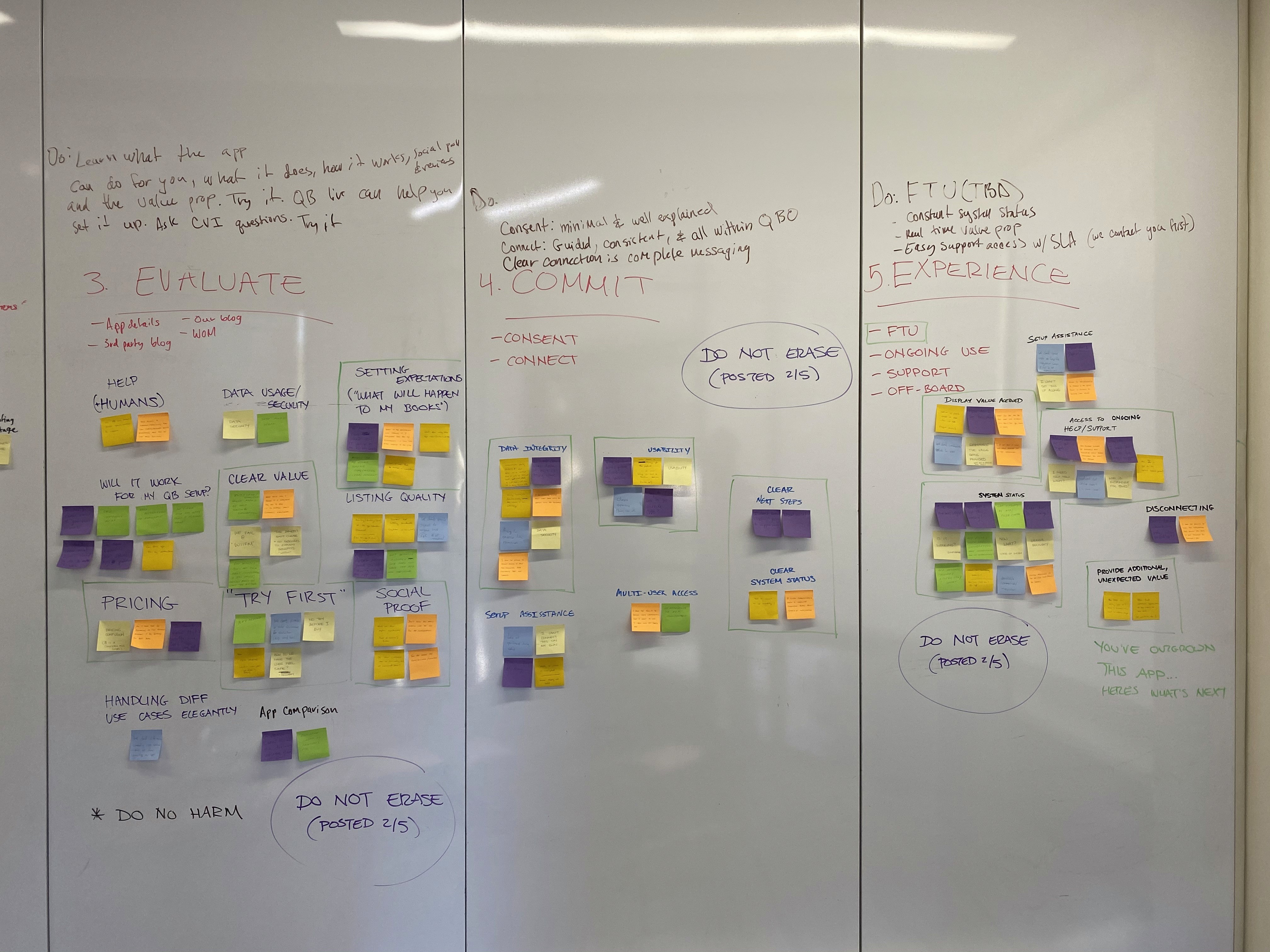
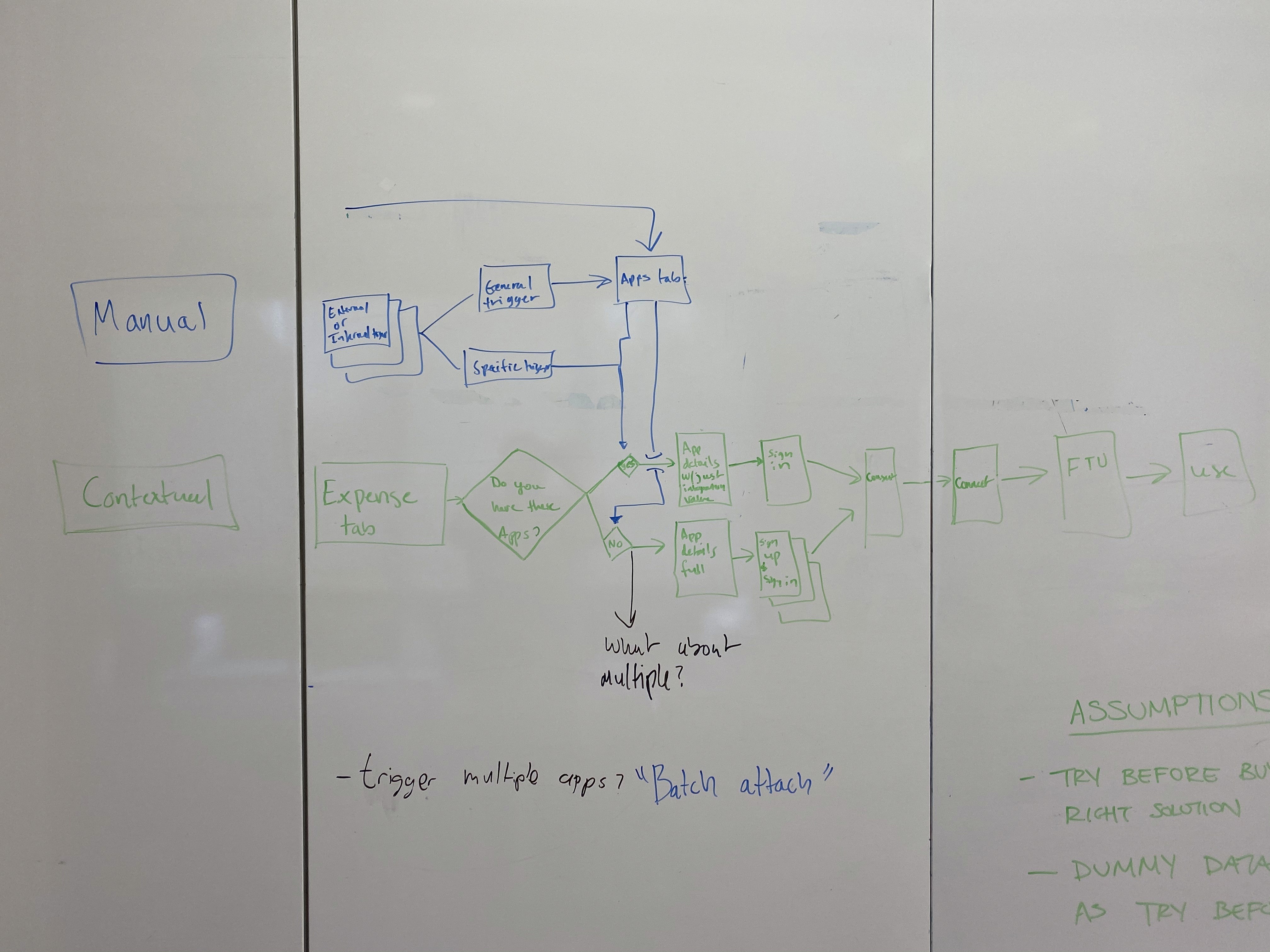
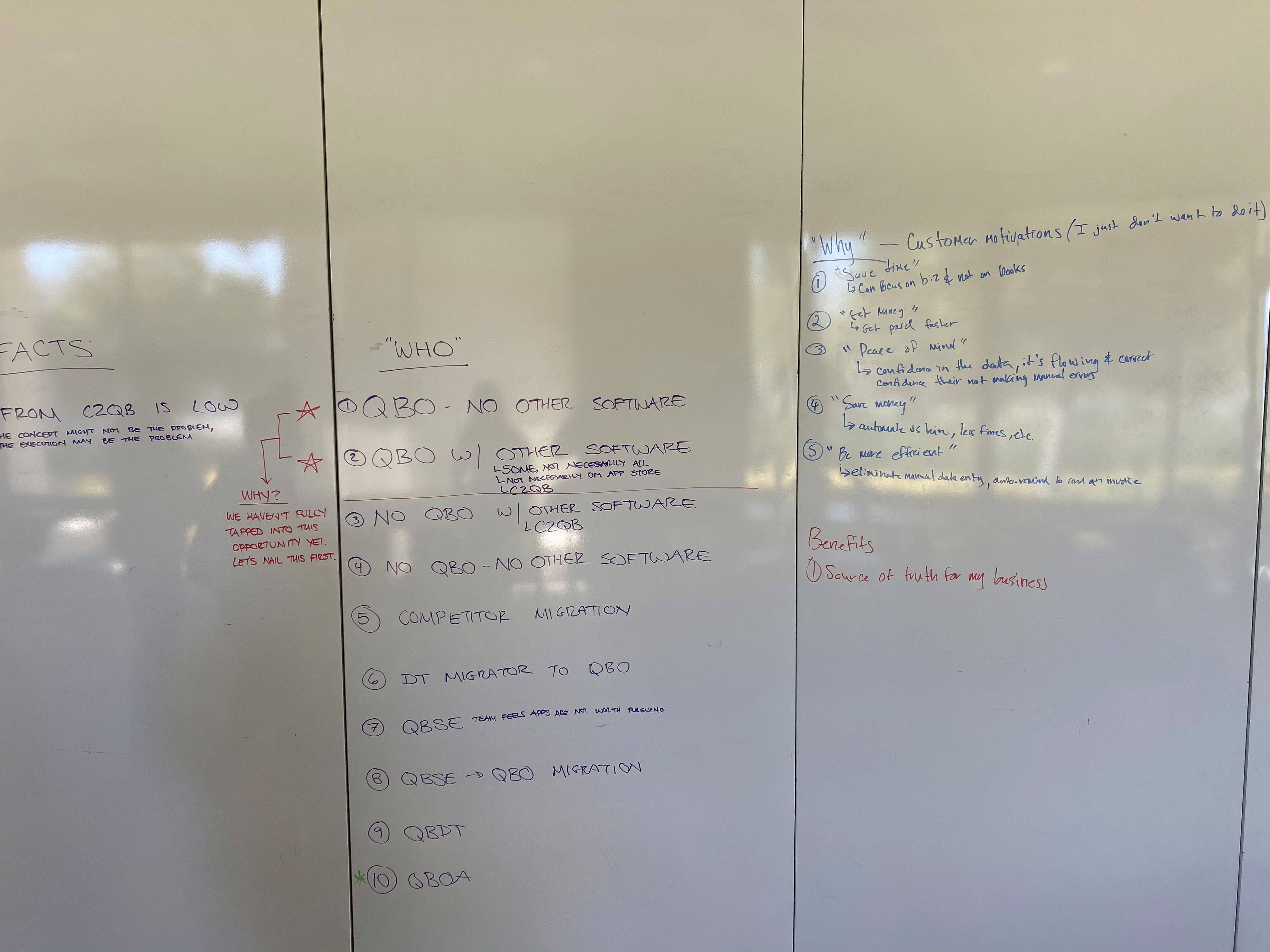
By day five, we landed on and sketched out a concept that felt both simple and powerful: Contextual app prompts—small, non-intrusive nudges surfacing integrations only when they added immediate value.
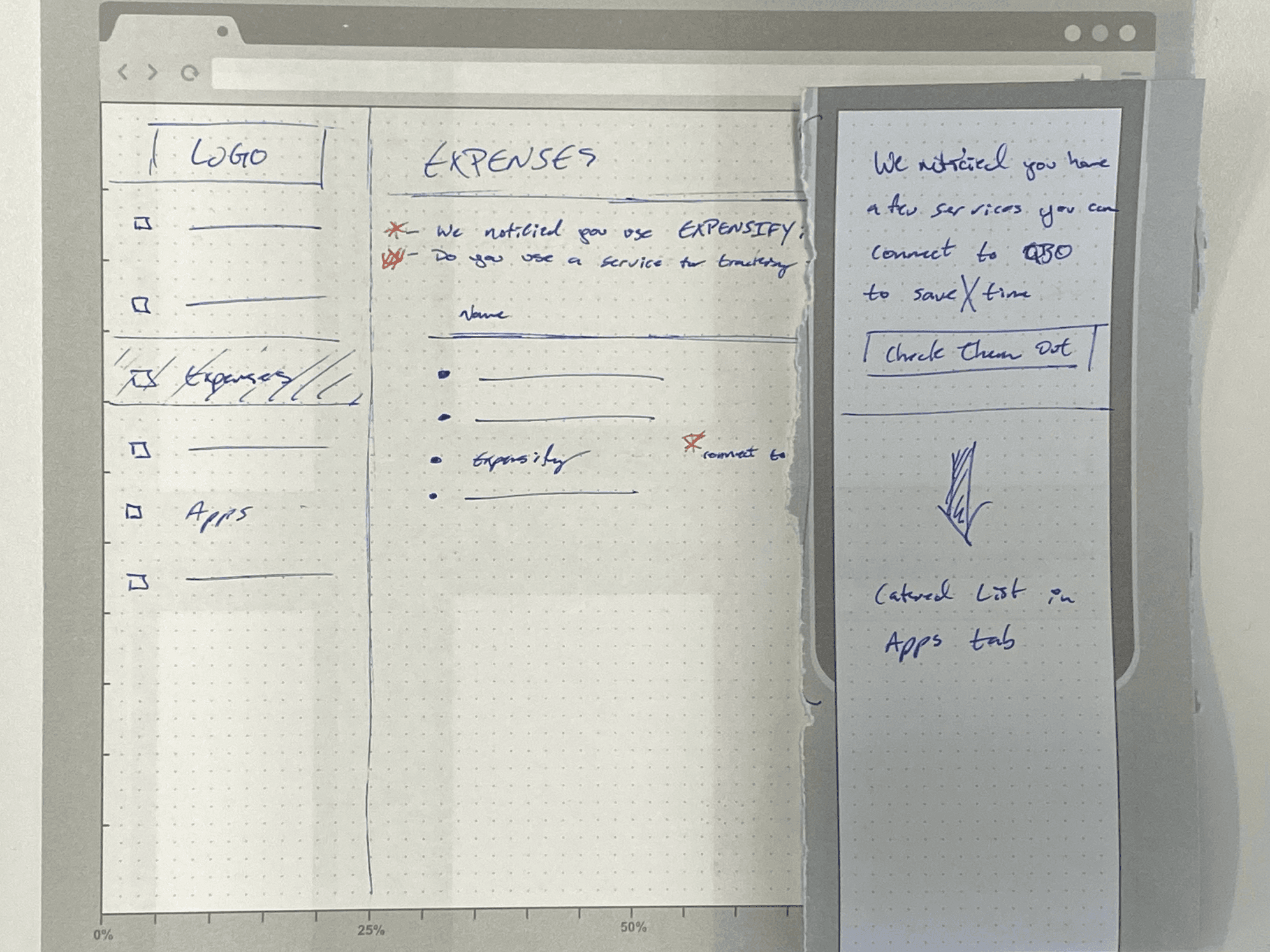
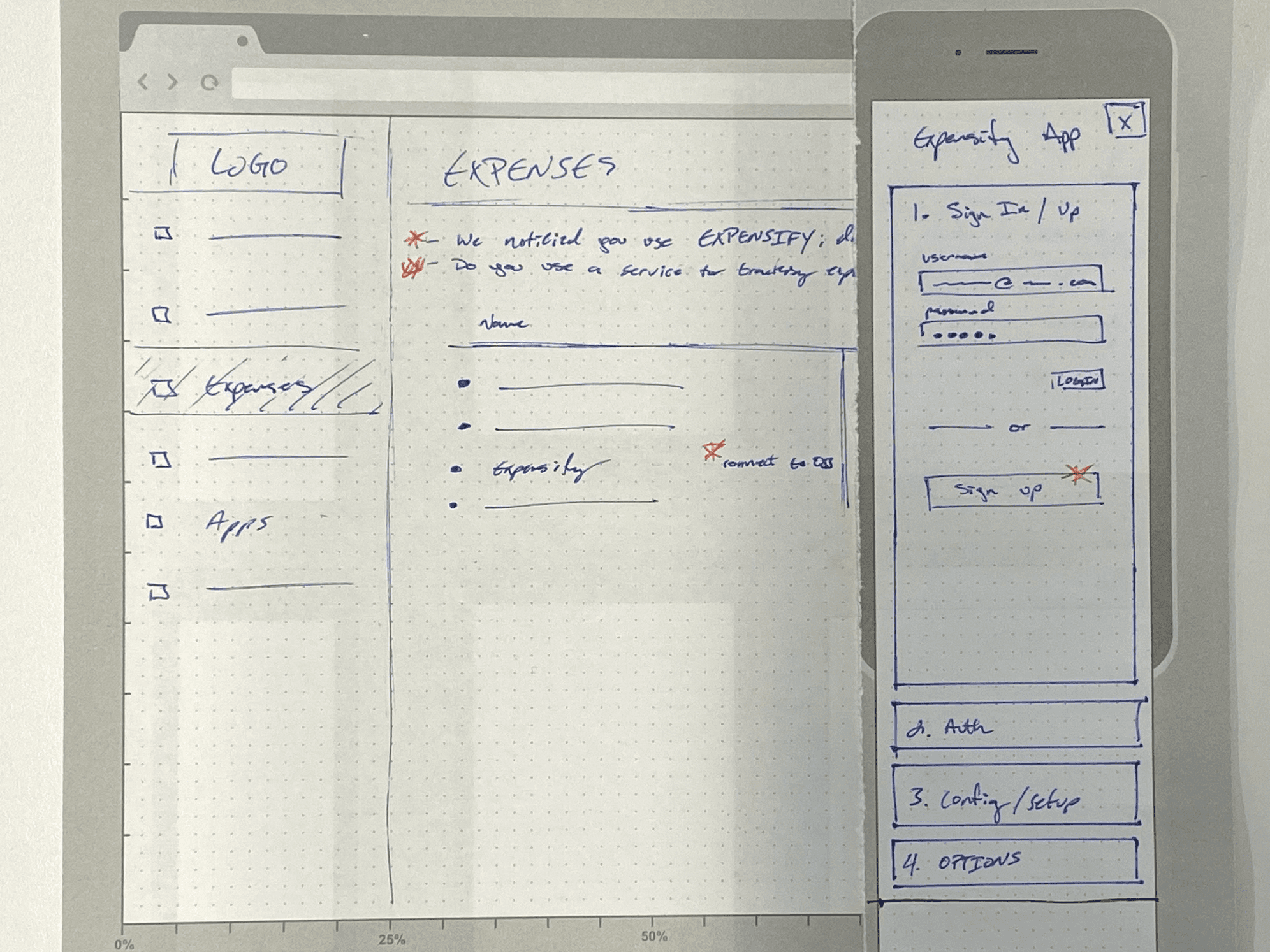
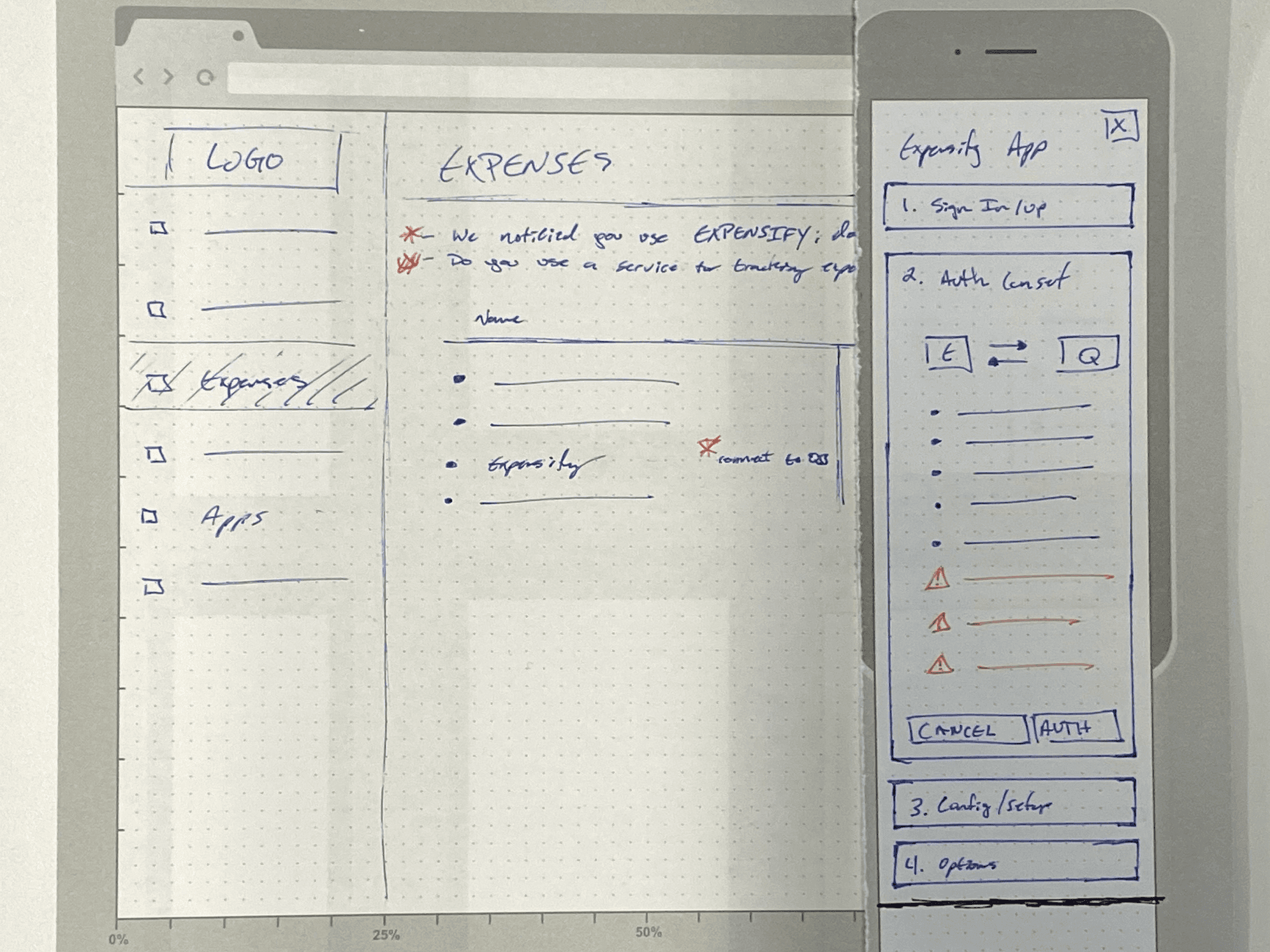
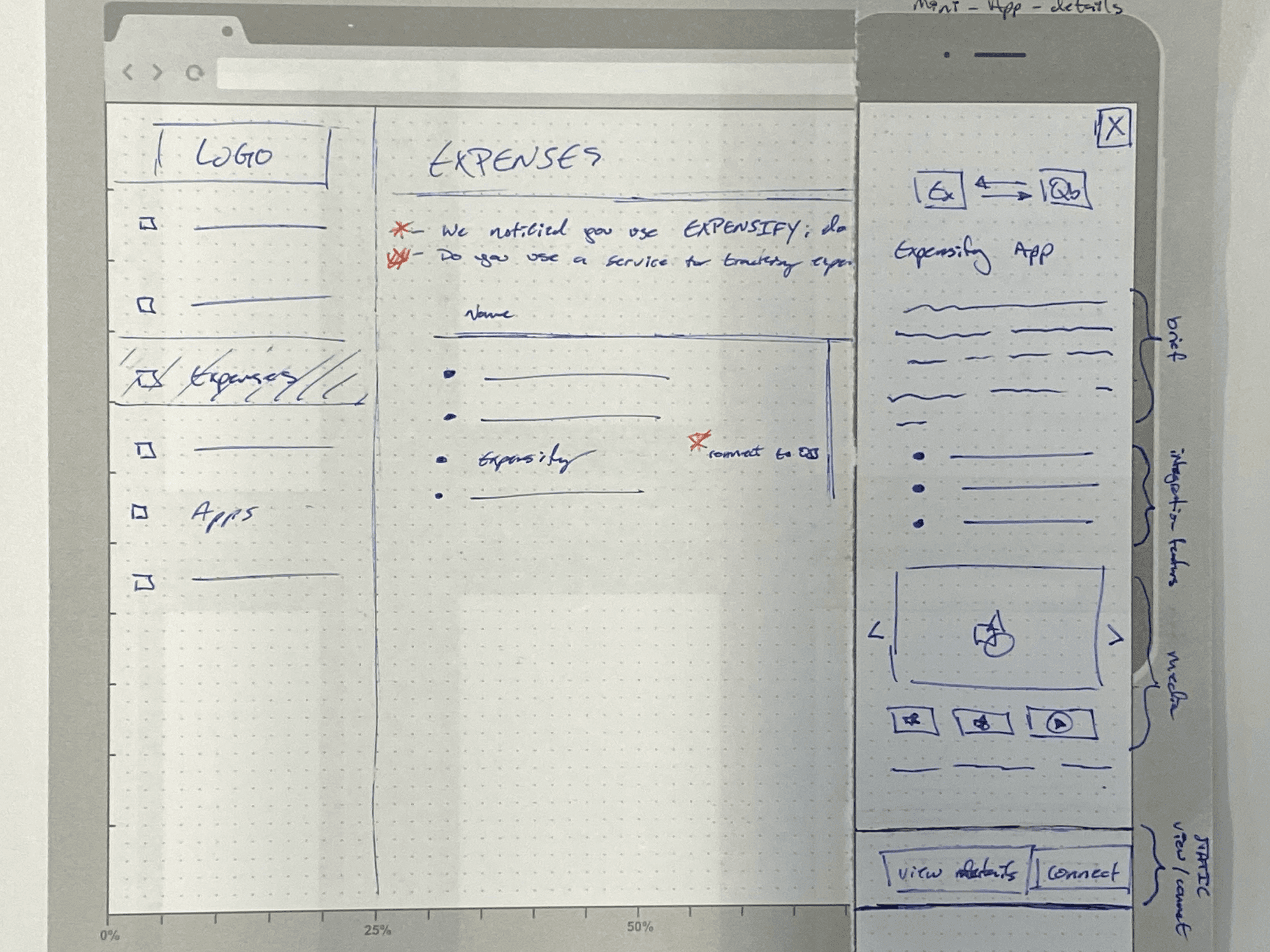
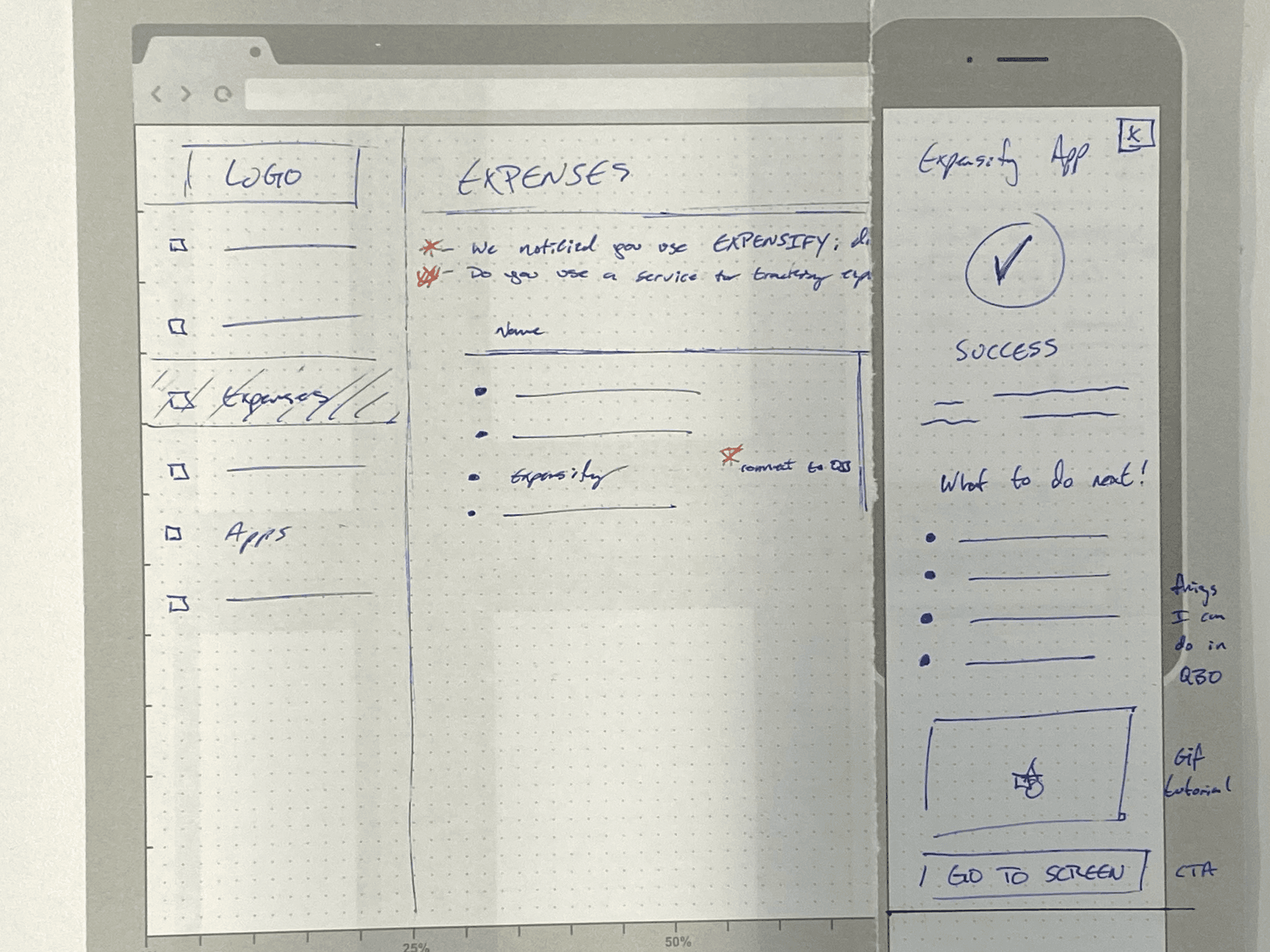
We went from these final sketches to interactive Figma prototypes to visualise this vision and prepared for quick-turn testing.
| “Design decisions came with data—making trade-offs transparent and collaborative.”
Testing & Iteration
| “Too little information led to hesitation; too much clutter broke flow.”
User testing validated much of our direction—and revealed new nuances.
Participants responded positively to the in-context approach: they appreciated staying within their task and felt reassured by clear trust cues.
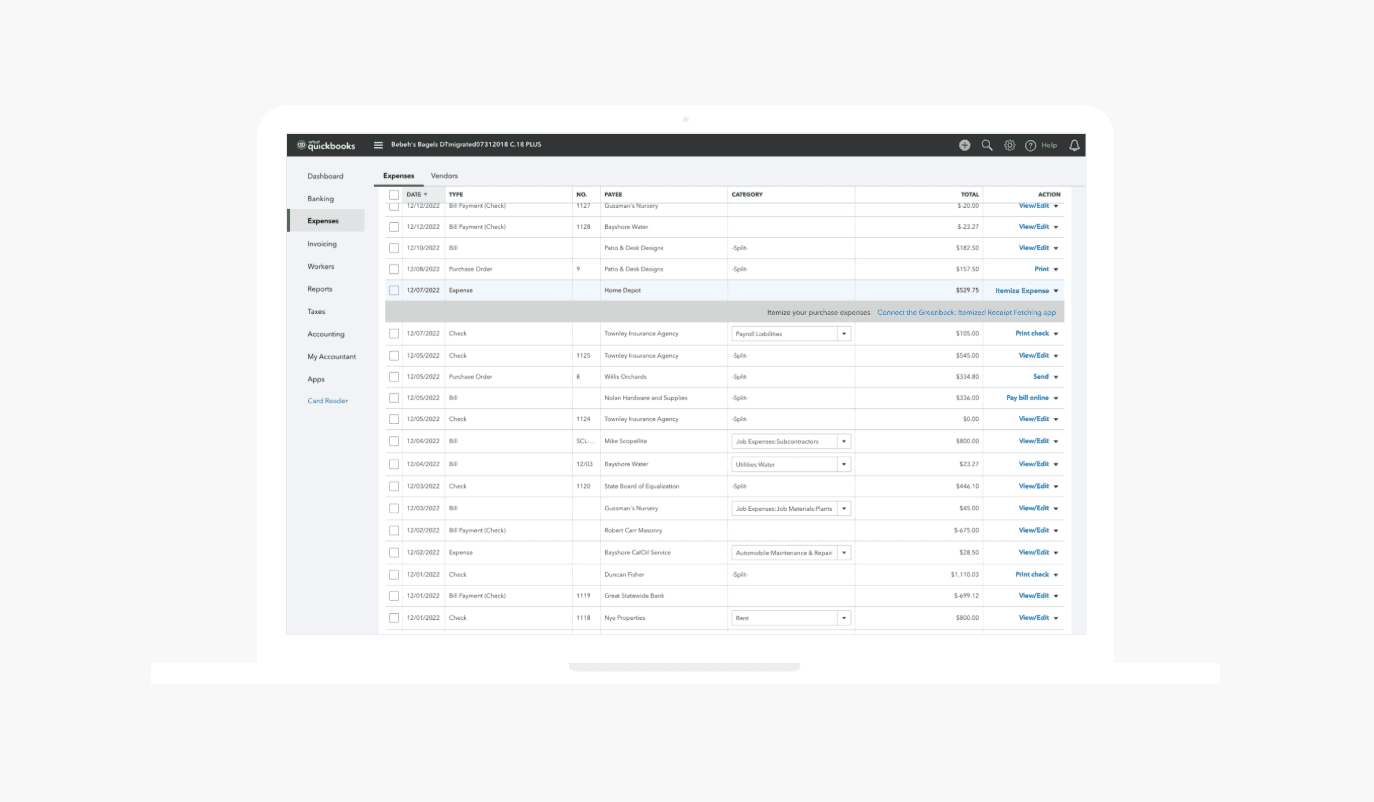
However, a tension surfaced.
While users wanted simplicity, they also wanted confidence. Too little information led to hesitation; too much clutter broke flow.
We made a deliberate trade-off decision: opt for a lightweight “Learn More” layer that users could open voluntarily rather than forcing full app details inline.
It struck the right balance between efficiency and transparency.
Our result was that Prototype tasks were completed 40% faster, with markedly higher trust ratings. However, one insight lingered—users still wanted clearer differentiation between Intuit-built apps and third-party partners.
Designing for Confidence and Flow
| “DesignOps turned design intent into institutional practice.”
To address this, I refined the design into a **three-tiered interaction model** that layered information progressively:
Micro-moment prompt – a subtle, contextual suggestion
(“Need to invoice faster? Try [App].”)Quick-peek modal – concise summary of benefits, reviews, and developer trust signals.
Inline connection flow – a frictionless one-click connection using OAuth, no redirects.
This structure preserved flow while communicating credibility. Behind the scenes, I was collaborating closely with platform engineers to architect a shared App Connection SDK — a scalable foundation for consistent integration experiences across products. This required strong systems thinking and collaboration without formal authorities.
Implementation & Organizational Adoption
| “Design maturity scales through advocacy.”
Once validated, the work shifted from concept to capability.
Partnering with engineering leads, I helped shape an MVP that embedded the new SDK across a pilot cohort within QuickBooks.
To build alignment, I hosted cross-pod design reviews with the Payroll, Payments, and Accountant teams—showcasing early analytics, demo videos, and prototype walkthroughs.
This transparent approach built momentum. Teams saw how the SDK could enable discovery for their own extensions without reinventing the wheel.
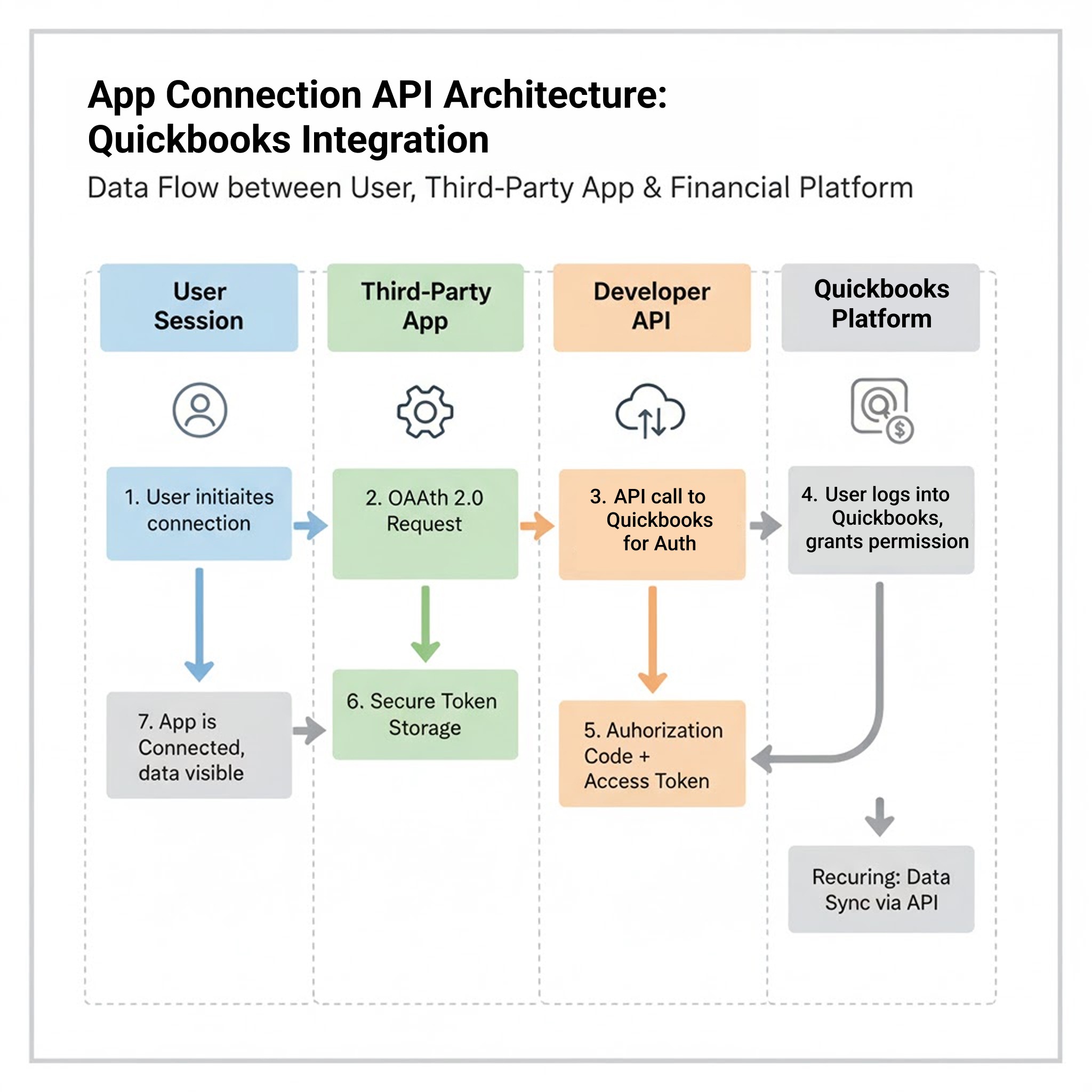
Within nine weeks, we shipped a live pilot to 5% of users.
Early signals were promising:
+15% lift in app connection initiation**
Qualitative feedback highlighting “ease” and “trust” as top themes
Reflection: Lessons and Growth
| “Leadership in design means designing the conditions for others to succeed.”
This project demanded that I blend **empathy, business acumen, and technical fluency**—moving beyond visuals to orchestrate systems and people.
Key takeaways:
Designing for trust is designing for timing. Confidence doesn’t come from more UI—it comes from the right message at the right moment.
Scalable impact requires storytelling. Aligning teams wasn’t about features; it was about helping them see a shared opportunity.
Resilience matters. When early research didn’t validate our first hypotheses, reframing with humility was the unlock.
In-Product Integration Discovery began as an effort to help users find apps. It ended up helping teams across Intuit find common language—about trust, timing, and value delivery.
And for me, it became a career-defining reminder that…
| "A Senior Designer’s role is not just to design interfaces — but to
design understanding.
Other Projects...